How to Throw a Baseball Faster: Proven Tips and Techniques
January 23, 2025 2 min read


Throwing a baseball faster is a skill that combines proper technique, strength, and consistency. Whether you're a pitcher striving for more velocity or a fielder aiming to improve your arm strength, mastering this skill requires a focused approach. This guide will break down the key steps and techniques to help you throw a baseball faster with precision and power.
1. Master the Basics of Throwing Mechanics
Proper mechanics are the foundation for throwing a baseball faster. A poor throwing technique can limit velocity and increase the risk of injury. Here’s what you need to focus on:
· Grip the Ball Correctly: Use a four-seam grip for better control and speed. Place your index and middle fingers across the seams, with your thumb underneath for support.
· Use Your Entire Body: Generate power from your legs and hips, not just your arm. A strong push-off from your back leg transfers energy through your torso to your throwing arm.
· Follow Through: After releasing the ball, let your arm fully follow through towards your target to maximize velocity and accuracy.
2. Build Arm Strength and Flexibility
Strengthening the muscles used in throwing can significantly enhance your speed. Focus on these exercises:
· Resistance Band Workouts: Use resistance bands to strengthen your shoulders and rotator cuff.
· Long Toss Drills: Practice throwing the ball long distances to build arm endurance and improve velocity.
· Core Workouts: Engage in exercises like planks and Russian twists to strengthen your core, as much of the throwing power comes from the midsection.
Flexibility is equally important. Incorporate stretching routines to keep your shoulder and arm muscles loose and ready for high-speed throws.
3. Focus on Speed and Accuracy Drills
Practicing specific drills can help you develop the speed and accuracy you need:
· Crow Hop Drill: Use a crow hop to add momentum and increase velocity when throwing from the outfield.
· Quick Release Drills: Focus on reducing the time it takes to transition the ball from your glove to your throwing hand.
· Target Practice: Set up targets at various distances to improve your accuracy while maintaining speed.
4. Prioritize Recovery and Injury Prevention
Throwing faster places more strain on your arm. To avoid injuries, incorporate these recovery techniques:
· Ice Your Arm: After intense practices or games, apply ice to reduce inflammation.
· Follow a Pitch Count: Limit the number of high-speed throws to prevent overuse injuries.
· Strengthen Opposing Muscles: Balance your workouts to strengthen both the throwing and non-throwing muscles for better joint stability.
5. Train Your Mindset for Success
Mental focus is just as important as physical preparation.
· Visualize Success: Picture yourself throwing faster and hitting your target. Visualization can help reinforce proper mechanics and boost confidence.
· Stay Consistent: Improvement takes time. Commit to regular practice and training to see gradual increases in your throwing speed.
Conclusion: Throw Faster, Play Better
Improving your throwing speed is a combination of perfecting your mechanics, building strength, and practicing consistently. Whether you're a seasoned player or just starting, incorporating these tips can help you see significant progress. Keep practicing, listen to your body, and don’t forget to celebrate your milestones along the way.
Want to know more about baseball techniques? Explore our related articles for fielding tips, pitching drills, and the best baseball gear recommendations!
Leave a comment
Comments will be approved before showing up.
Also in Baseball


Custom Baseball Jersey Fabric Guide: Poly-Mesh 200 GSM vs Pro-Wick 200 GSM vs Pro-Wick 230 GSM
July 04, 2026 7 min read
This guide provides a side-by-side comparison of three popular sublimation baseball jersey fabrics—Poly-Mesh 200 GSM, Pro-Wick 200 GSM, and Pro-Wick 230 GSM. It covers breathability, opacity, durability, print quality, and ideal use cases across climates and competition levels. The article helps coaches, team managers, and league organizers make an informed fabric choice by breaking down the pros and cons of each option and highlighting common mistakes to avoid. Pro-Wick 200 GSM is positioned as the most balanced, all-season choice for the majority of teams.
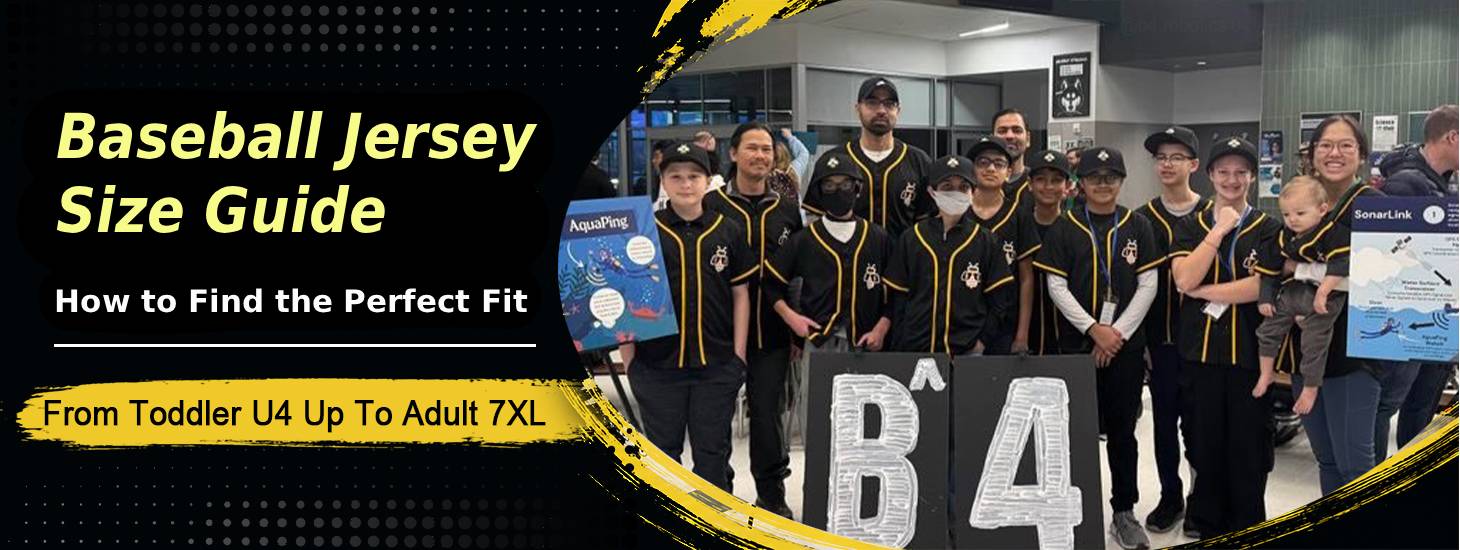

Baseball Jersey Size Guide: How to Find the Perfect Fit
June 23, 2026 5 min read
Find the perfect fit for your custom baseball uniform with this complete baseball jersey size guide. Learn how to choose the right jersey and pants size, measure garment dimensions correctly, understand KXK’s garment-based size charts, and select the best fit for games, teams, casual wear, and special events.

How to Get Wrinkles Out of a Baseball Jersey Without an Iron — 8 Easy Methods
June 11, 2026 8 min read
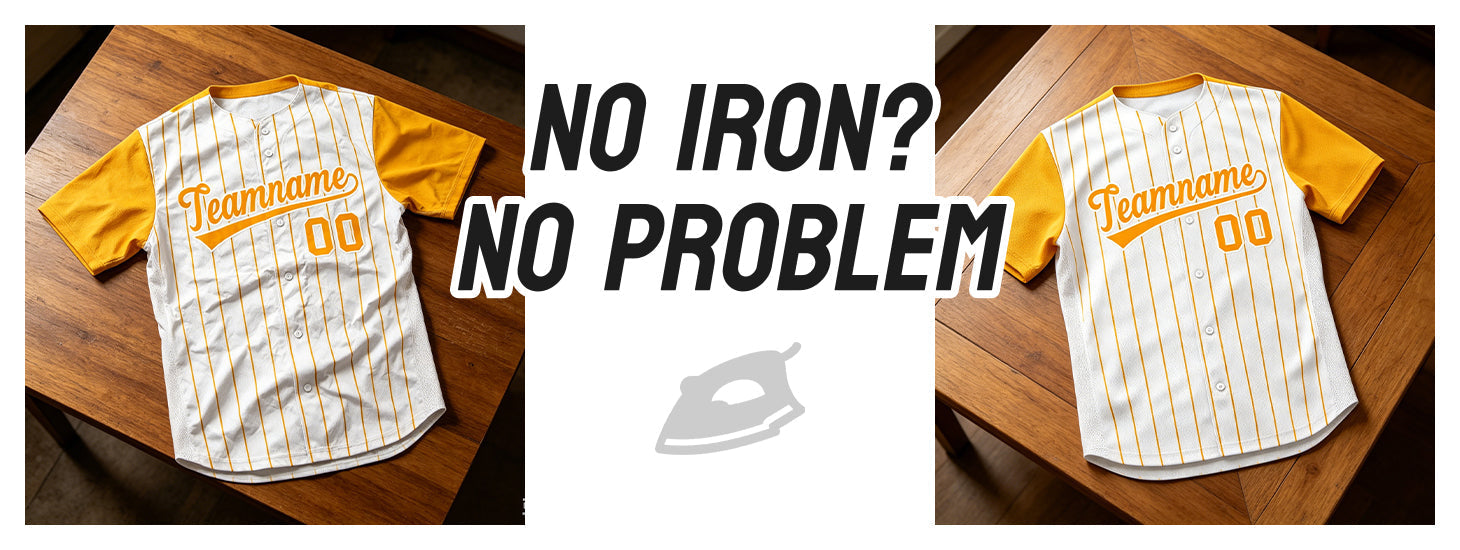
Got a wrinkled jersey and no iron? You're not alone — and you definitely don't need one. Baseball jerseys are made from polyester, and hitting them with a hot iron is one of the fastest ways to ruin the printed numbers, logos, and names. This guide walks you through 8 safe, proven methods to smooth out creases using stuff you probably already have at home: steam from your shower, ice cubes in the dryer, a spray bottle, a hair dryer, and more. Plus, we cover how to handle wrinkles around printed graphics without melting or cracking them. Whether it's game day morning or you just unpacked a fresh custom order, one of these methods will get your jersey looking right — no iron required.
Recent Articles
- Custom Baseball Jersey Fabric Guide: Poly-Mesh 200 GSM vs Pro-Wick 200 GSM vs Pro-Wick 230 GSM
- Baseball Jersey Size Guide: How to Find the Perfect Fit
- How to Get Wrinkles Out of a Baseball Jersey Without an Iron — 8 Easy Methods
- Why Your Baseball Jersey Feels Like an Oven in Summer — and What to Look for Instead You Know the Feeling
- How to Wash a Jersey Properly: The Complete Guide for Baseball Jersey Care
Top Searches
 Ice Cream
Trending Now