
The History of Baseball Jerseys: How They’ve Changed Over Time


Baseball jerseys have come a long way from their humble beginnings in the 19th century to the stylish, performance-driven uniforms we see today. Over the decades, changes in fabric, design, and branding have reflected both the evolution of the sport and advancements in textile technology. This article takes a deep dive into the history of baseball jerseys, exploring how they have transformed from woolen shirts to high-performance athletic wear.
1. The Birth of Baseball Jerseys: The 1800s
The first known baseball uniforms were introduced in 1849 by the New York Knickerbockers, one of the earliest organized baseball teams. These uniforms consisted of:
· Blue woolen shirts
· White flannel trousers
· Straw hats
At the time, functionality was not the primary concern—these uniforms were designed for a professional look rather than comfort. Wool was commonly used because it was durable and held up well over time, but it was far from breathable, making it uncomfortable in warmer weather.
2. The Early 1900s: The Rise of Pinstripes and Team Identity
By the early 1900s, baseball teams had begun to experiment with various uniform styles to set themselves apart. Some key innovations included:
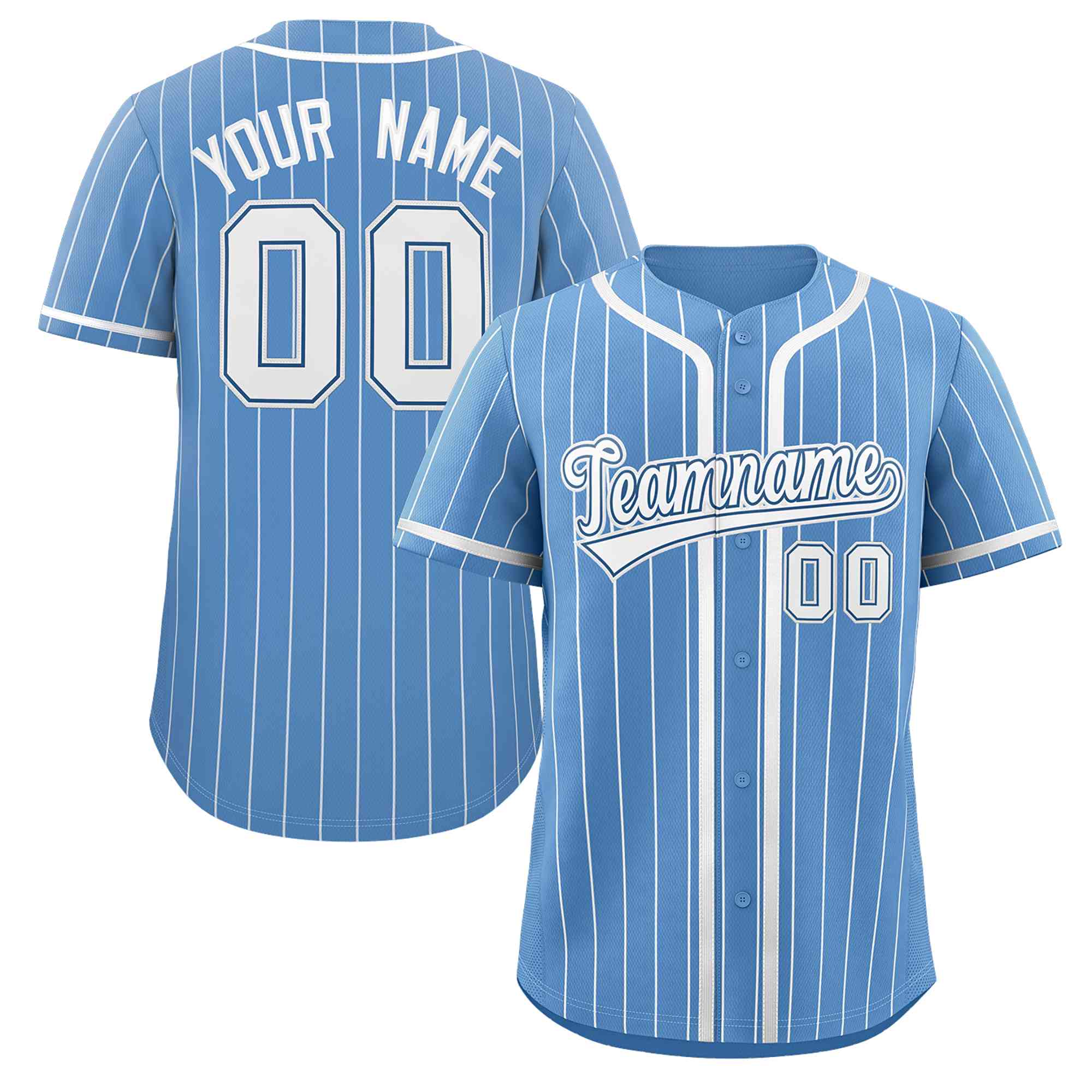
· Pinstripes: The Chicago Cubs were one of the first teams to introduce pinstripes in 1907, and by 1912, the New York Yankees had adopted the look—forever associating pinstripes with their iconic brand.

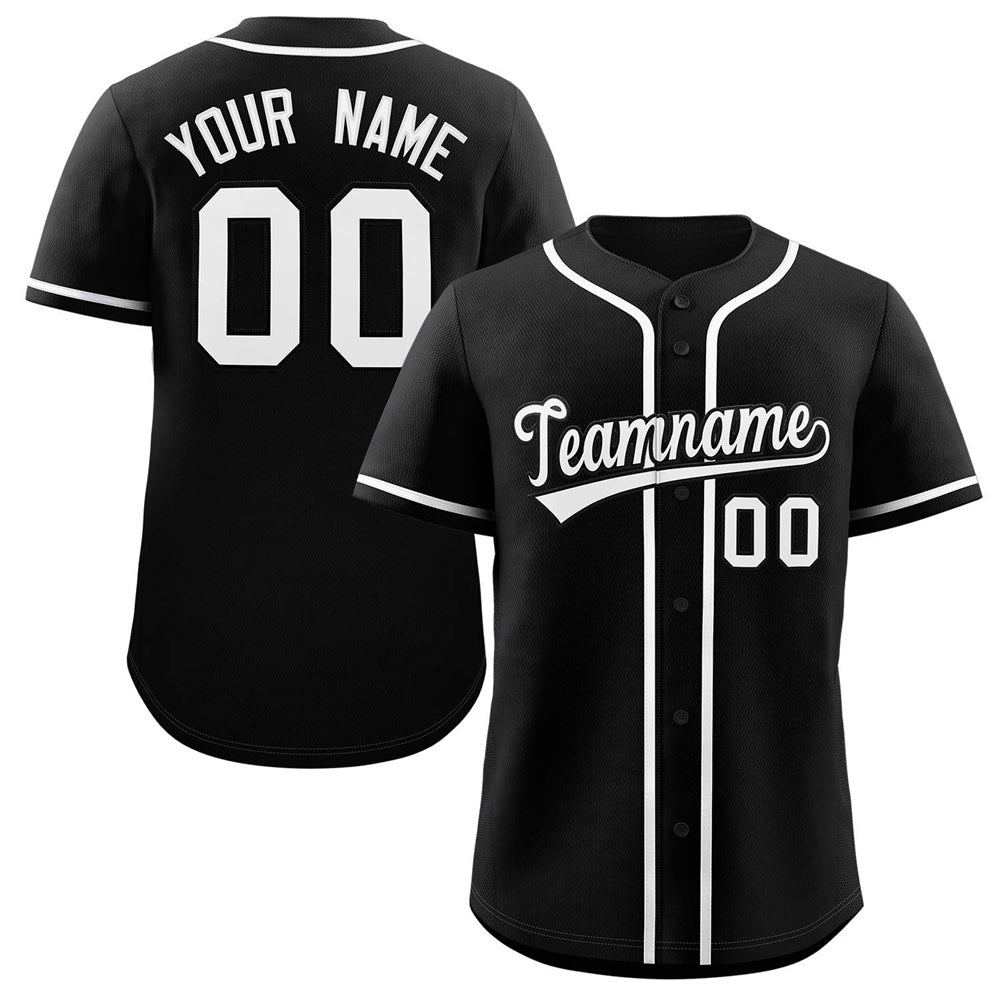
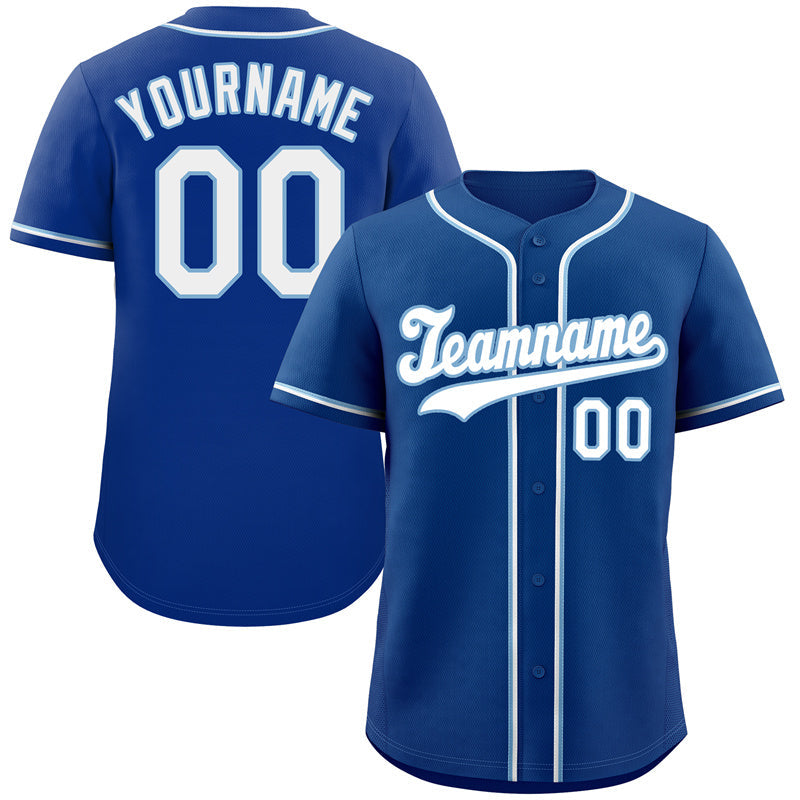
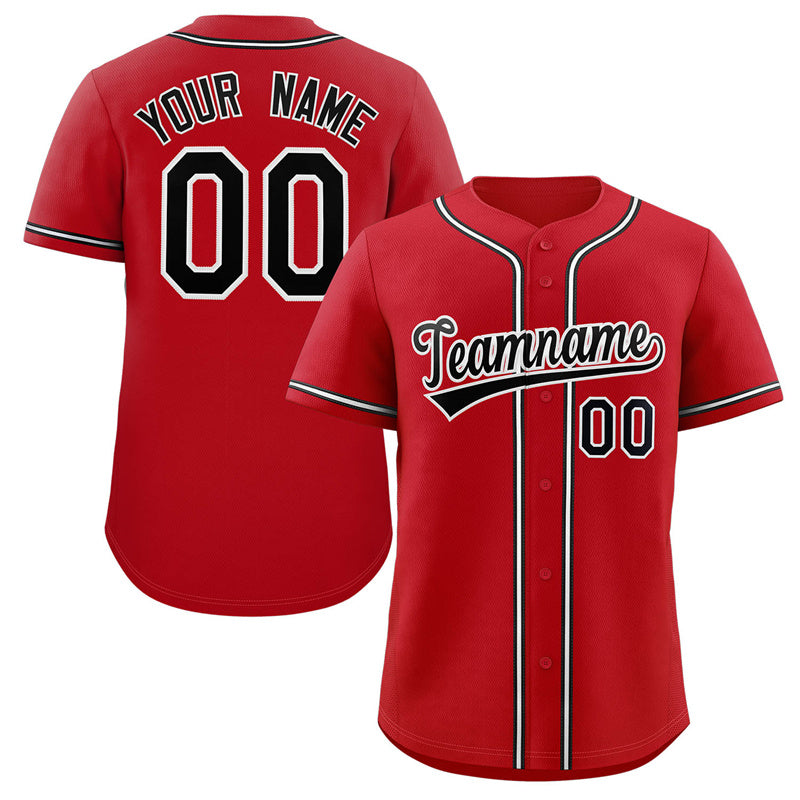
· Button-up jerseys: Teams began transitioning from pullover shirts to button-up jerseys for better adjustability and comfort.

· Team logos and lettering: By the 1920s, teams started displaying their names or initials on jerseys, making it easier for fans to identify them.
This era laid the foundation for team identity through uniforms, a trend that continues to this day.
3. The Mid-1900s: The Transition to Lighter Fabrics
During the 1940s-1960s, major changes were made to improve player performance and comfort. Notable changes included:
· Switch from wool to polyester blends: Lighter, more breathable fabrics started replacing heavy wool.
· Team branding enhancements: Embroidered patches, team logos, and multi-colored designs became standard.
· More flexibility in design: Teams experimented with vests, pullover jerseys, and piping along the sleeves and collars.
The 1970s saw even more dramatic shifts, as polyester completely replaced wool, making jerseys more lightweight, breathable, and moisture-resistant.
4. The Late 1900s – The Introduction of Branding and Sponsorships
By the 1980s-1990s, baseball jerseys became more commercialized, leading to:
· Major sportswear brands like Nike and Majestic produce MLB jerseys
· Improved durability and sweat-wicking technology
· The introduction of alternate and retro jerseys for merchandising
As jerseys became an integral part of team branding, they also became a major revenue stream for teams and manufacturers.
5. The 21st Century – High-Tech Jerseys and Fashion Influence
Today, baseball jerseys are lighter, more breathable, and designed for maximum performance. Some of the latest trends include:
· Moisture-wicking and temperature-regulating fabrics

· Custom baseball jerseys for fans and amateur teams
· Sublimation printing, allowing for vibrant, long-lasting designs
· Special edition jerseys, including City Connect baseball jerseys and throwback designs
Jerseys are no longer just sportswear—they have become a part of street fashion and pop culture.
Conclusion
From the woolen shirts of the 1800s to today’s high-performance polyester jerseys, baseball uniforms have evolved to reflect changes in technology, fashion, and branding. As customization and advanced fabric technology continue to grow, the future of baseball jerseys looks more innovative than ever.
If you’re looking for a custom baseball jersey with modern performance fabrics and unique designs, Kxkshop offers fully customizable options to match your team’s identity.
Leave a comment
Comments will be approved before showing up.
Also in Baseball
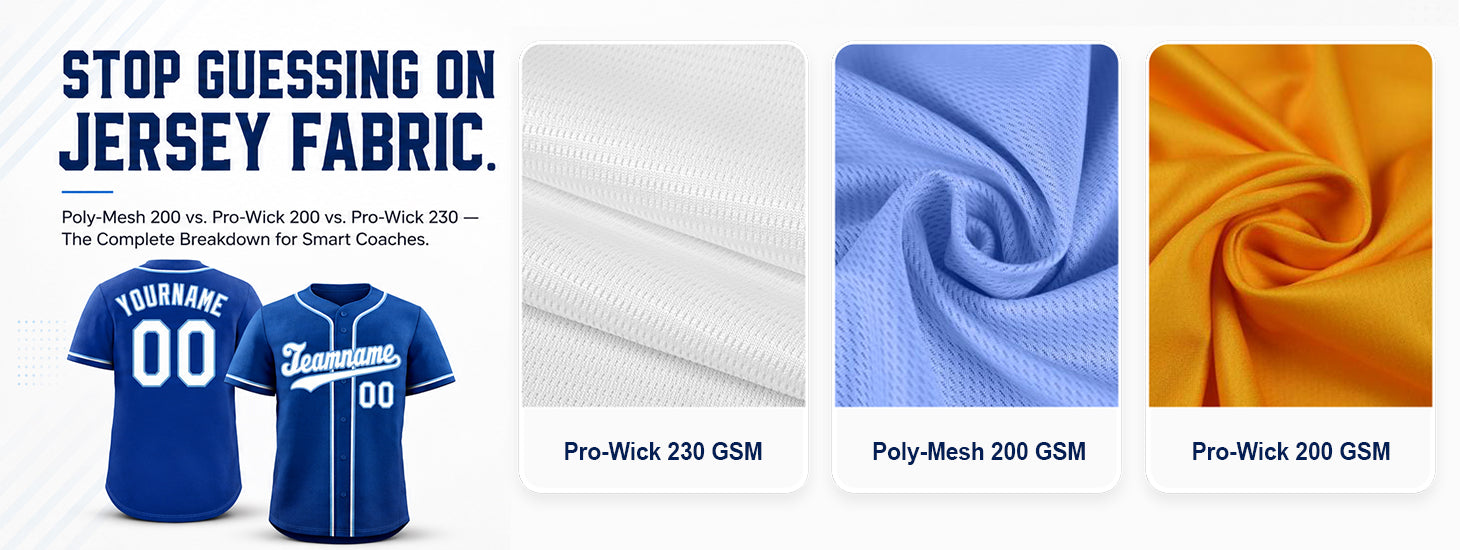

Custom Baseball Jersey Fabric Guide: Poly-Mesh 200 GSM vs Pro-Wick 200 GSM vs Pro-Wick 230 GSM
This guide provides a side-by-side comparison of three popular sublimation baseball jersey fabrics—Poly-Mesh 200 GSM, Pro-Wick 200 GSM, and Pro-Wick 230 GSM. It covers breathability, opacity, durability, print quality, and ideal use cases across climates and competition levels. The article helps coaches, team managers, and league organizers make an informed fabric choice by breaking down the pros and cons of each option and highlighting common mistakes to avoid. Pro-Wick 200 GSM is positioned as the most balanced, all-season choice for the majority of teams.
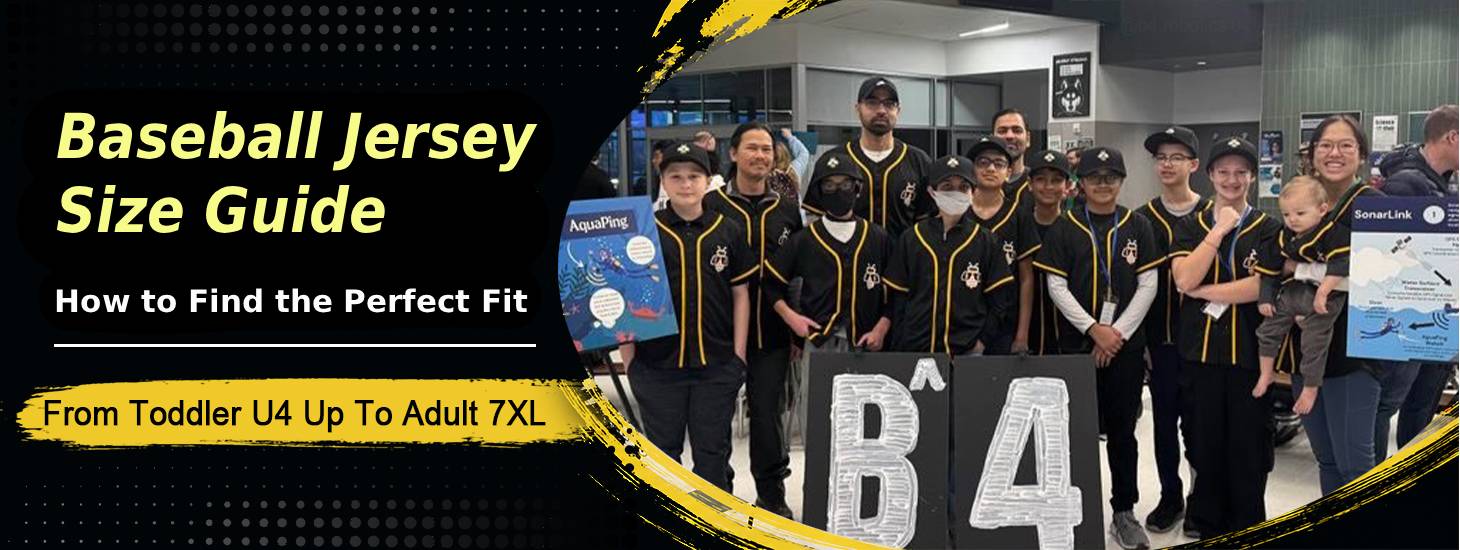

Baseball Jersey Size Guide: How to Find the Perfect Fit
Find the perfect fit for your custom baseball uniform with this complete baseball jersey size guide. Learn how to choose the right jersey and pants size, measure garment dimensions correctly, understand KXK’s garment-based size charts, and select the best fit for games, teams, casual wear, and special events.
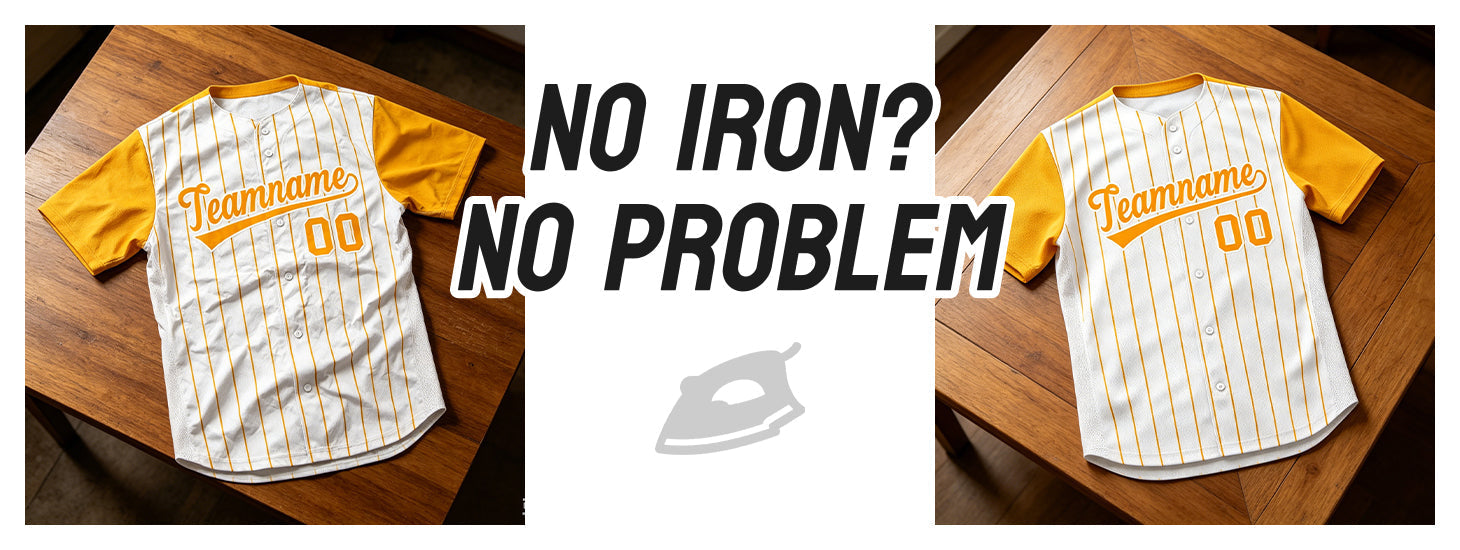

How to Get Wrinkles Out of a Baseball Jersey Without an Iron — 8 Easy Methods
Got a wrinkled jersey and no iron? You're not alone — and you definitely don't need one. Baseball jerseys are made from polyester, and hitting them with a hot iron is one of the fastest ways to ruin the printed numbers, logos, and names. This guide walks you through 8 safe, proven methods to smooth out creases using stuff you probably already have at home: steam from your shower, ice cubes in the dryer, a spray bottle, a hair dryer, and more. Plus, we cover how to handle wrinkles around printed graphics without melting or cracking them. Whether it's game day morning or you just unpacked a fresh custom order, one of these methods will get your jersey looking right — no iron required.
 Ice Cream